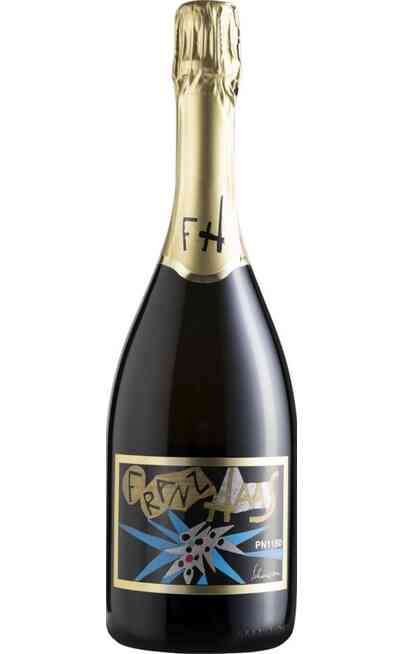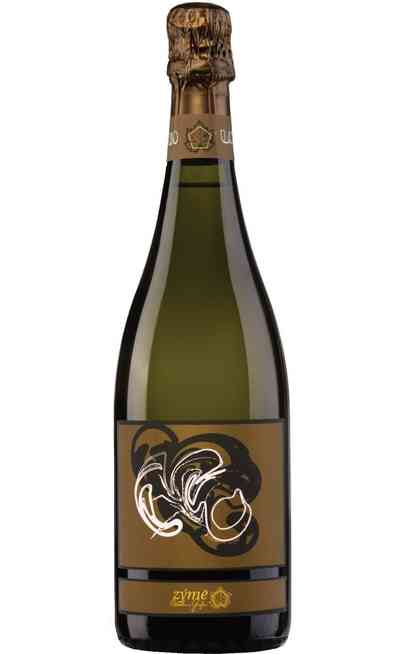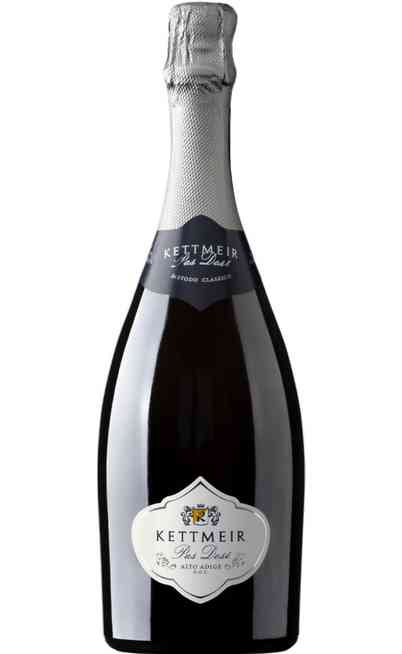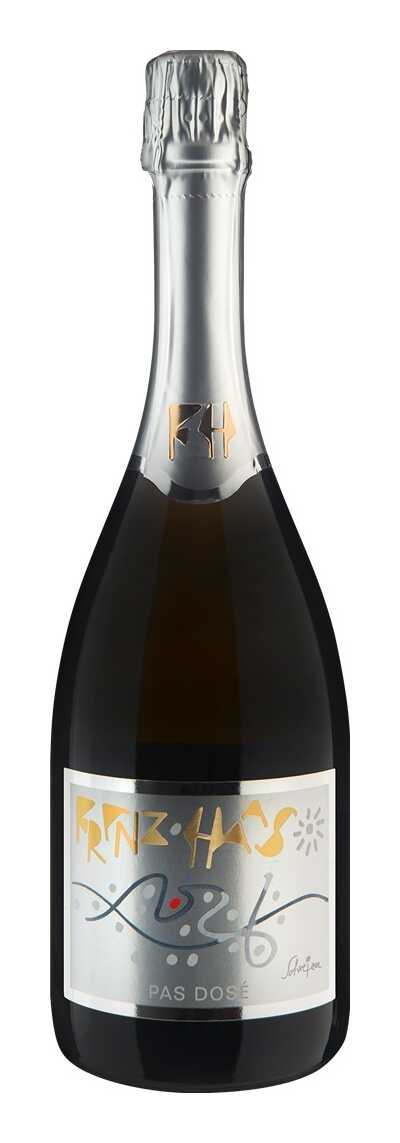
Spumante Metodo Classico Pas Dosé FRANZ HAAS
| Sommelier score | 92/100 | 2026 |

| Winery | FRANZ HAAS |
| Denomination | Spumante |
| Grapes | 100% Pinot Nero |
| Alcohol content | 12,50% |
| Cl | 75cl |
| Sulfites | Contains sulphites |
| Winery headquarter | FRANZ HAAS - Montagna (BZ) - Via Villa, 6 |
| Bottle size | Standard bottle |
| Combination | Aperitif, Mussels, Crustaceans, Grilled Fish, Mixed fried fish, Tartare-fish carpaccio |
| Region | Trentino-Alto Adige (Italy) |
| Style | Sparkling and fresh |
| Wine list | Spumante |
Franz Haas Pas Dosé is a highly precise and elegant Metodo Classico sparkling wine made from pure Pinot Noir grapes and characterized by the absence of sugar dosage, an element that enhances its expressive purity and the typicality of the territory. As for production, the grapes come from vineyards located between approximately 750 and 1,150 meters above sea level, grown on mixed dolomite and porphyry soils and with south- and southwest-facing exposures. After the harvest, part of the bunches are pressed whole and part destemmed, to obtain a must that initially ferments in stainless steel for about six months. Subsequently, the base wine is bottled in the spring following the harvest for frothing and remains on the bottled yeasts for about four years, developing complexity and structure before disgorging, which occurs without the addition of sugars.
Characteristics of this South Tyrolean wine
On organoleptic examination it appears with a bright straw yellow colour, crossed by a fine and persistent perlage. On the nose it opens with delicate but complex scents, in which notes of bread crust, yeasts, citrus and white flowers emerge, accompanied by mineral and slightly toasted nuances. In the mouth it is a tense and vibrant wine, characterized by great freshness, saltiness and an elegant structure that supports the sip. The finish is long, clean and decidedly mineral, with an overall feeling of great balance.
Recommended pairings with this Franz Haas white wine
As for pairings, Pas Dosé lends itself well to refined and even structured seafood dishes, such as shellfish, mollusks, and fish-based dishes, but it can also accompany sophisticated appetizers and delicate first courses. The ideal serving temperature is between 6 and 8 °C, so as to best enhance its freshness, fineness of perlage and aromatic complexity.